How to Protect a Planter: The Definitive Guide
Commercial and bespoke planters are significant investments, continually exposed to moisture, soil pressure, fluctuating temperatures, and regular maintenance. Without adequate protection, these elements can drastically reduce the lifespan of the planter and potentially damage the surrounding property. At Planter Protect Ltd, we specialise in providing durable solutions to safeguard your assets.
Why Is Planter Protection Essential?
Understanding how to protect a planter begins with recognising the risks. Constant contact with water, compost, and expanding roots can degrade many common planter materials. Timber can absorb moisture and rot, metal may corrode, and porous materials can become stained or structurally weakened. Furthermore, water leakage can cause costly damage to floors, furnishings, and interior finishes.
Implementing internal planter protection preserves its aesthetic appeal and structural integrity. It also simplifies the processes of planting, watering, and ongoing maintenance for interior plant services, particularly in commercial environments such as offices, hotels, and restaurants.
The Superior Solution:
Fibreglass (GRP) Planter Inserts
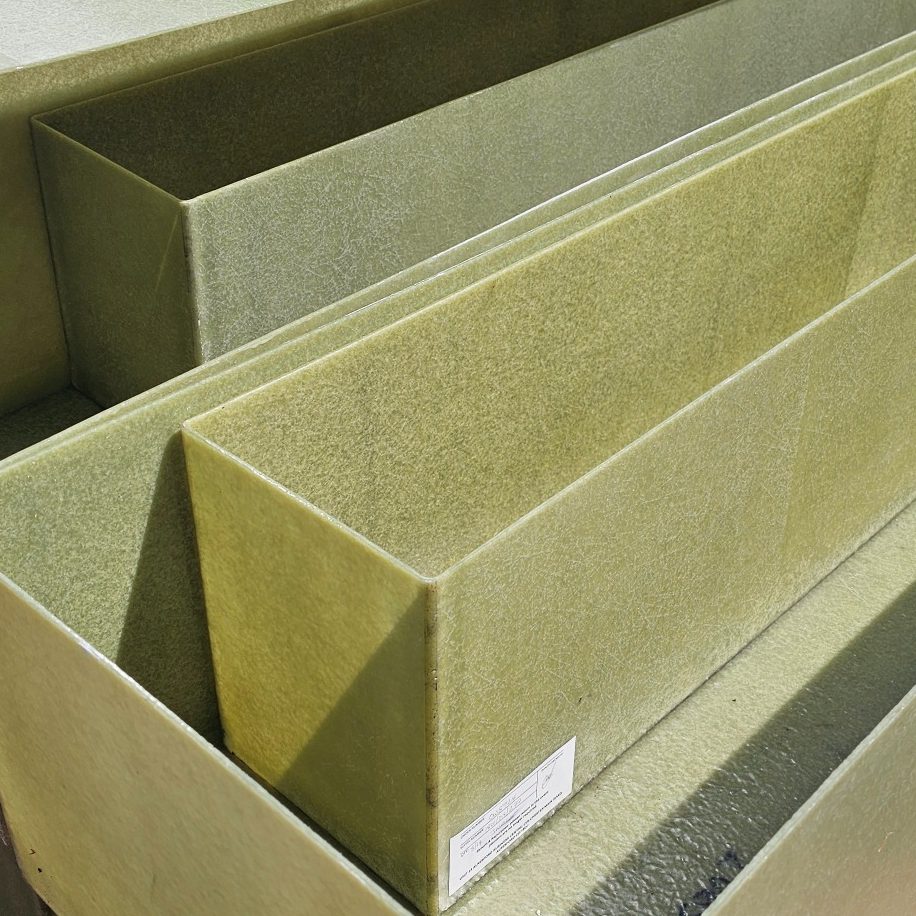
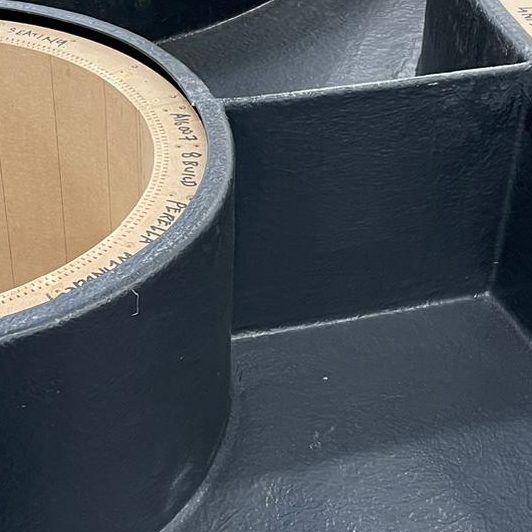
A custom, made-to-measure fibreglass (GRP) planter insert, often called a planter liner, provides a robust, waterproof barrier between the planting medium and the decorative outer planter. This is the most effective method for planter waterproofing and protection.
Advantages of Fibreglass (GRP) Inserts:
- Exceptional Durability: Fibreglass (GRP) is strong yet lightweight, capable of withstanding the demands of commercial use.
- Complete Waterproofing: As a fully sealed, non-porous material, it prevents water from ever contacting the main planter structure, thus preventing rot, corrosion, and stains.
- Bespoke Design: Our inserts are manufactured to fit the precise dimensions and shapes of any bespoke planters or planter joinery.
- Chemical Resistance: It is resistant to rot, corrosion, and damage from fertilisers and soil composites.
- Low Maintenance: The smooth surface is easy to clean and maintain for years to come.
- Versatile Configurations: We can provide completely watertight inserts or solutions with integrated drainage systems.
Protect the Planter from Water Damage
Repeated contact with water is one of the most common causes of planter deterioration. A watertight fibreglass insert keeps moisture away from the planter’s inner surfaces, helping to prevent swelling, staining, corrosion and decay.
For indoor planters, a watertight insert can also reduce the risk of leaks reaching floors and surrounding fixtures. Always check the insert regularly and avoid overwatering, particularly where no drainage outlet is fitted.
Prevent Damage from Roots and Soil
Wet soil is heavy, and developing root systems can place pressure on the sides of a planter. A rigid fibreglass liner contains the growing medium and separates it from the decorative planter.
This additional internal layer helps protect the planter from direct contact with roots, fertilisers and soil. It can be especially valuable for timber planters, metal containers and bespoke architectural features that would be difficult or expensive to replace.
Check the Fit
For the best protection, a planter insert should fit securely within the outer container while allowing sufficient space for installation and removal. Accurate measurements are essential, particularly for tapered, curved or unusually shaped planters.
A bespoke fibreglass (GRP) planter insert can be manufactured to suit the exact size and shape of the planter. For commercial projects involving multiple units, consistent measurements also help ensure a uniform installation across the site.
Carry Out Simple Routine Maintenance
Although fibreglass (GRP) planter inserts require little maintenance, regular checks will help keep the installation in good condition. You can download our Maintenance and Care Guide here.
Inspect the insert for damage, clear drainage outlets and remove standing water where necessary. Check that plants have not become root-bound and confirm that the weight of saturated soil remains suitable for the planter and its location.
Frequently Asked Questions About
How to Protect A Planter
How does this solution protect wooden planters?
A fibreglass (GRP) insert is the ideal answer to the question of how to protect a planter when it is made of wood. It completely isolates the timber from moisture and damp soil, the primary causes of rot and decay, ensuring the wooden planter's beauty and structure remains intact.
What is the process for getting a bespoke planter insert?
Simply contact Planter Protect Ltd with the internal dimensions and requirements of your planter. We will then manufacture a durable fibreglass (GRP) insert tailored to your exact specifications, delivering a perfect fit for any planter design.
For expert advice on the best planter protection solutions in the UK, contact Planter Protect Ltd today at enquiries@planterprotect.com or call us on 01206 670246.