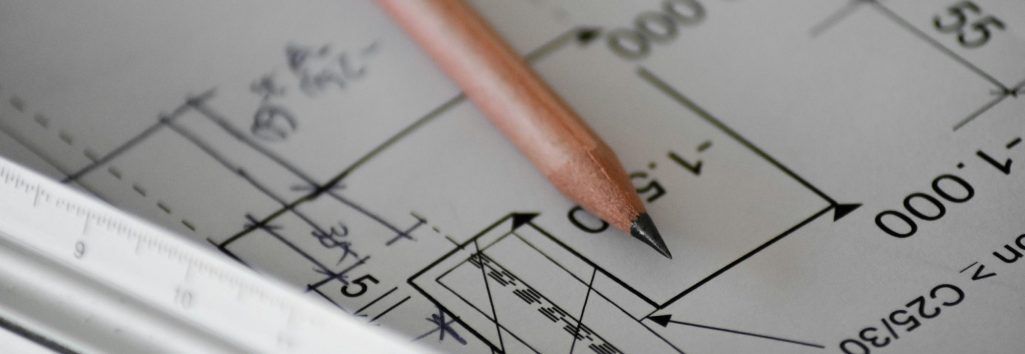
From Drawing to Delivery: How We Manufacture a Bespoke Planter Insert
A planter insert may be hidden when a project is finished, but its design and manufacture can determine how reliably the complete planter performs.
Water, roots and planting media can place surrounding joinery, finishes and building fabric at risk. An insert that does not fit correctly may also create installation difficulties, drainage problems or unplanned alterations on site.
That is why every Planter Protect insert is manufactured specifically for its project. From the first drawing through to delivery, we consider the details that help create a durable, waterproof and properly integrated planting solution.
Stage One: Understanding the Project
The process begins with a conversation about the planter and its intended use.
We work with joinery manufacturers, commercial fit-out contractors, architects, landscape architects and designers. Each party may approach the project from a different perspective, so early coordination is important.
The initial information normally includes:
- The planter’s dimensions and geometry
- Whether it will be installed internally or externally
- The surrounding materials and finishes
- Drainage requirements
- Installation access
- Relevant weight or structural considerations
- The number of inserts required
- The project programme and delivery requirements
This early discussion helps us identify potential constraints before they become manufacturing or site issues.
Stage Two: Reviewing the Drawings
Accurate drawings are central to bespoke manufacture.
We review the available information to understand the planter’s internal shape, interfaces and construction. This is particularly important when the planter forms part of an architectural joinery package or includes curves, tapers, divisions or other non-standard features.
The visible planter and the concealed insert perform different jobs. The planter provides the chosen appearance, while the insert contains the planting system and protects the surrounding construction. Both components must therefore be considered together.
Our review focuses on details such as:
- Internal dimensions
- Manufacturing and installation tolerances
- Available clearance
- Corners, curves and changes in level
- Capping or visible edges
- Connections with surrounding joinery
- Drainage provision
- The route available for positioning the insert
Resolving these details before manufacture supports a cleaner fit and a more straightforward installation.
Stage Three: Agreeing the Specification
Once the geometry has been reviewed, the insert specification can be confirmed.
Our planter inserts are manufactured from glass-reinforced plastic incorporating PET resin derived from recycled plastic sources. This produces a lightweight, durable and waterproof shell suitable for demanding architectural applications.
Our standard wall thickness is 5mm. This may be adjusted where the size, exposure or performance requirements of a particular project call for a different construction.
Other considerations can include:
- The required insert depth
- Internal or external use
- Drainage outlets or related provisions
- Visible and concealed surfaces
- Handling and installation requirements
- Project-specific interfaces
Confirming the specification before production gives the client, designer and manufacturer a shared understanding of what is being supplied.
Stage Four: Bespoke Manufacture
With the design agreed, the insert moves into manufacture.
Unlike a flexible liner or an off-the-shelf container, each Planter Protect insert is formed to suit the dimensions and geometry of the individual project. This allows standard rectangular planters, curved designs, tapered forms and other bespoke configurations to be accommodated.
The GRP and PET resin construction creates a continuous shell that is waterproof by design. It also provides root resistance and protection from the moisture and planting media contained within the planter.
At approximately 7kg per square metre, the material offers a lightweight alternative to some traditional planter-construction methods. This can assist with handling, transportation and installation while helping to reduce unnecessary structural loading.
The objective is not simply to manufacture something that fits inside the planter. It is to create a reliable component that supports the performance of the complete system over time.
Stage Five: Quality and Consistency
Quality is especially important when inserts are supplied as part of a larger joinery or fit-out package.
Dimensions, finish and consistency can affect how easily an insert is installed and how neatly it integrates with the surrounding work. Project information must therefore be controlled from initial enquiry through to production and delivery.
Planter Protect operates an ISO 9001 certified quality-management system. This supports a structured approach to processes, documentation and continual improvement.
We are also ISO 14001 certified, reflecting our structured approach to environmental management.
Stage Six: Preparing for Delivery
Once manufacture is complete, the inserts are prepared for delivery in accordance with the project requirements.
The durable nature of GRP means that, where practical, inserts can be transported without single-use protective packaging. Packaging is added when required by the courier, transport method or specific project conditions.
Local deliveries may be completed using electric vehicles where possible. For projects outside that range, deliveries are planned to improve transport efficiency and minimise unnecessary journeys.
Good communication remains important at this stage. Fit-out programmes can change, access may be restricted and larger inserts can require careful coordination. Establishing these requirements early helps the delivery fit the wider project plan.
Stage Seven: Supporting Installation
Our involvement does not necessarily finish when the insert leaves our premises.
We can provide guidance to joinery and installation teams regarding handling, positioning and drainage provision. This helps protect the insert during installation and supports its intended long-term performance.
Correct installation should always account for the complete planting arrangement, including drainage, growing media, irrigation where applicable and the resulting loaded weight.
Early cooperation between the insert manufacturer, joinery contractor, designer and installer gives the project the best chance of achieving a reliable result.
Designed for Long-Term Performance
Our approach to sustainability prioritises durability, material efficiency and whole-life performance.
A planter insert that remains waterproof and protects the surrounding construction can help reduce the risk of premature failure, replacement and waste. Our inserts incorporate PET resin derived from recycled plastic sources, and our independently verified Environmental Product Declaration provides project teams with transparent lifecycle information.
We also offer a Return and Repurpose service for eligible inserts removed during refurbishment, reconfiguration or decommissioning. Where suitable, returned products or components may be reused, repurposed or directed towards an appropriate recovery route.
Why Choose a Bespoke Planter Insert?
A bespoke insert provides several advantages over a generic lining solution:
- It is manufactured around the actual planter design
- Interfaces and tolerances can be considered before installation
- Non-standard shapes can be accommodated
- The continuous construction provides reliable waterproofing
- Surrounding joinery and building fabric are protected
- Installation and drainage requirements can be considered early
- Long-term performance is treated as part of the design
The insert may eventually disappear behind the finished planter, but the decisions made during its design and manufacture remain important throughout the life of the installation.
Send Us Your Planter Drawing
Whether you are developing a single feature planter or coordinating multiple units across a commercial fit-out, early input can help reduce risk and simplify delivery.
Send Planter Protect your drawings, dimensions and project requirements. We will review the information and help you develop a bespoke GRP planter insert suited to the design, installation and intended environment.